
Introduction
Chronic diseases, such as heart disease, type 2 diabetes, and certain cancers, continue to be the leading causes of death and disability worldwide.
These conditions are largely preventable through lifestyle modifications, particularly adoption and maintenance of healthy behaviors, remain a significant challenge for many individuals. Health coaching has emerged as an effective and empowering approach to facilitate sustainable changes in nutrition, physical activity, and other lifestyle habits.
Here we explore the role of health coaching and chronic disease prevention, with the focus on nutrition and lifestyle interventions.
Chronic disease and lifestyle risk factors
Many of the chronic diseases we see today are closely linked to lifestyle factors, including poor, dietary habits, physical and activity, tobacco use alcohol consumption and unmanaged stress according to the world health organization over 80% of heart, disease stroke, and type two diabetes cases could be prevented by addressing these modifiable behaviors Despite widespread public health campaigns and clinical advice behavior change, remains a complex and deeply personal process. This is where our health coaching can play a transformative role.
Health Coaching: a collaborative approach
Health coaching is a client centered, goal oriented process, designed to support individuals in identifying and achieving their wellness goals. Coaching focuses on empowering individuals rather than prescribing solutions. Coaches work collaboratively with clients to explore their motivations, set realistic, goals, overcome barriers, and stay accountable.
Unlike traditional medical counseling, which often emphasizes compliance, health coaching emphasizes autonomy, self efficacy, sustainable behavior change. This approach is particularly effective for chronic disease prevention, where long-term adherence to healthy lifestyle habits is critical.
Nutrition as a core component
One of the central roles of health coaching and disease prevention lies in promoting optimal nutrition. Coaches guide clients to improve their eating patterns through small, sustainable changes, such as increasing vegetable intake, reducing process foods, and understanding portion control. Depending on individual needs, coaches may support adherence to evidence based dietary patterns like the Mediterranean diet, low carbohydrate diet, both of which can reduce the risk of cardiovascular and metabolic diseases.
Health coaches also help clients address emotional eating, food cravings, and other psychological aspects of nutrition. By building awareness and providing tools for meal planning, label, reading, and mindful eating, clients are better equipped to make informed dietary choices.
Comprehensive lifestyle interventions
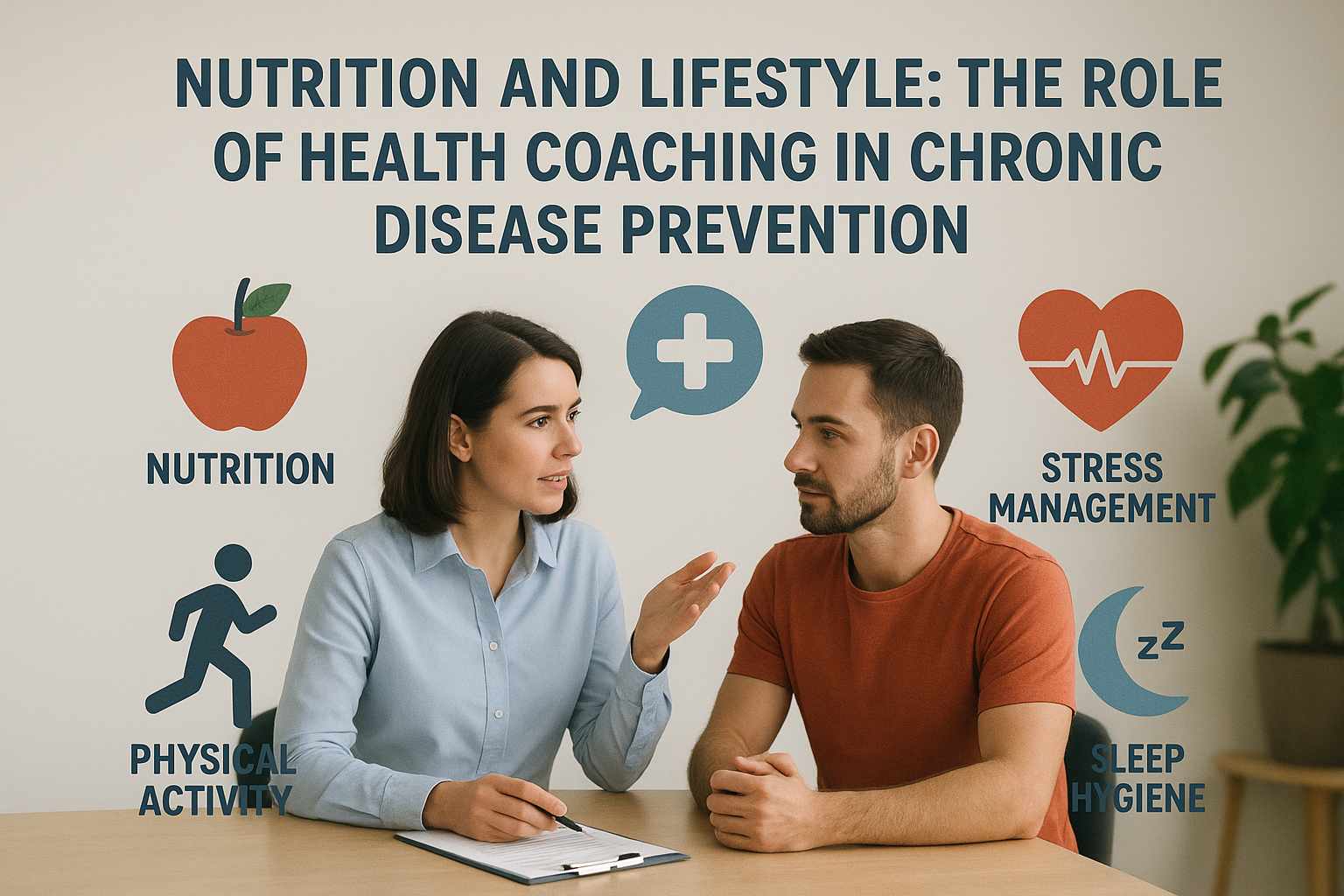
In addition to nutrition, health coaching, encompasses broader lifestyle factors that influence chronic disease risk. These include.:
- Physical activity: Coaches support clients in creating personalized, enjoyable movement routines, and overcoming barriers to regular exercise.
- Stress Management: Through techniques, such as mindfulness, guided relaxation, and time management strategies, coaching helps reduce the impact of chronic stress.
- Sleep Hygiene: Education on the importance of sleep and strategies for improving sleep quality are integral to long-term wellness.
Social and emotional support: Coaches facilitate the development of supportive environments, and healthy interpersonal relationships.
Together, these lifestyle modifications can produce significant improvements in clinical outcomes and overall quality of life.
Evidence of effectiveness
A growing body of research supports the effectiveness of health coaching in preventing and managing chronic disease. Study show that health coaching is associated with improvement and weight loss, dietary adherence, physical activity, and biometric markers, such as blood pressure and cholesterol levels. For example, a 2020 meta-analysis found that coaching interventions led to significant improvements in both behavior and clinical outcomes across a range of populations.
In diabetes, prevention and management, health coaching has been shown to improve HBA1c levels, support medication adherence, and reduce the incidence of complications. Workplace wellness programs that include coaching components also demonstrate reduced healthcare cost and absenteeism.
Integration into healthcare systems
Health coaching is increasingly being integrated into primary care, hospitals, community programs, and digital health platforms. When you combine with traditional medical care, coaching offers a continuous and personalized layer of support that addresses not only what people need to change, but how to make and sustain those changes. This can alleviate the burden on clinicians and enhance patient satisfaction and outcomes.
Conclusion
Health coaching represents a promising and practical solution for preventing chronic disease through lifestyle change. By focusing on nutrition, physical activity, stress, management, and behavioral support, coaches empower individuals to take charge of their health. In an era of rising healthcare costs and preventable disease, health coaching offers a human centered, effective approach to building healthier communities – one individual at a time.
